Copy Trading:
Complete Guide
Introduction
You stand at a crossroads in your trading journey as an intermediate trader, where the demands of market analysis, strategy development, and execution can overwhelm even the most dedicated individuals. Copy trading emerges as a powerful solution, allowing you to mirror the trades of experienced professionals without needing to master every nuance of the market yourself. This approach democratizes access to sophisticated trading strategies, enabling you to leverage the expertise of top performers while you focus on refining your own skills.
Why does copy trading matter to you right now? In the fast-paced world of financial markets, time is your most valuable asset. Traditional trading requires constant monitoring of charts, news events, and economic indicators, which can lead to burnout or missed opportunities. Copy trading platforms streamline this process by automating the replication of trades from seasoned traders, potentially boosting your portfolio's performance with minimal daily involvement. For intermediate traders like you, who have some experience but seek to scale efficiently, this method bridges the gap between active management and passive investing.
Consider the forex market, where copy trading forex has gained immense popularity due to its high liquidity and 24-hour accessibility. You can diversify your exposure by copying multiple traders specializing in currency pairs, commodities, or indices. Moreover, platforms supporting MetaTrader 5 (MT5) integrate copy trading MT5 features seamlessly, offering advanced tools like customizable risk parameters and real-time performance tracking. Even free trade copier options exist, allowing you to test strategies without upfront costs, making it an ideal entry point for cautious experimentation.
This blog post delves deeply into copy trading to equip you with the knowledge needed for commercial investigation. You will explore how copy trading works at its core, uncovering the mechanics that make it reliable for intermediate users. Next, you will examine the benefits and potential pitfalls, including real-world examples from forex and MT5 environments. Finally, you will learn practical steps for selecting and optimizing a copy trading platform, including insights on free trade copier MT5 tools. By the end, you will have a clear framework to evaluate whether copy trading aligns with your trading goals, empowering you to make informed decisions that enhance your portfolio.
Statistics underscore the growing appeal: according to a report by Finance Magnates, over 70% of retail forex traders now use some form of social or copy trading, with adoption rates climbing due to improved platform technologies. For you, this means access to a community-driven ecosystem where transparency in trader performance metrics—such as win rates, drawdowns, and historical returns—helps you choose wisely. As markets evolve with algorithmic influences and geopolitical shifts, copy trading provides a buffer, allowing you to ride the waves of expert decisions while you build your analytical prowess.
Throughout your trading career, you have likely encountered the frustration of inconsistent results from self-directed strategies. Copy trading addresses this by introducing a layer of professional oversight, where you allocate funds to traders with proven track records. This is not about relinquishing control entirely; rather, it is about amplification. You retain the ability to set limits on trade sizes, stop-losses, and exposure levels, ensuring alignment with your risk tolerance. In essence, copy trading transforms you from a solo operator into a strategic allocator of capital.
As we proceed, keep in mind that while copy trading offers efficiency, it demands due diligence. You must understand the nuances of platform selection, trader evaluation, and performance monitoring to avoid common pitfalls. This guide is tailored for intermediate traders investigating commercial options, providing actionable insights without overwhelming jargon. Whether you are eyeing copy trading forex for its volatility or seeking a free trade copier MT5 for cost-effective trials, the following sections will illuminate your path forward.
Understanding the Mechanics of Copy Trading
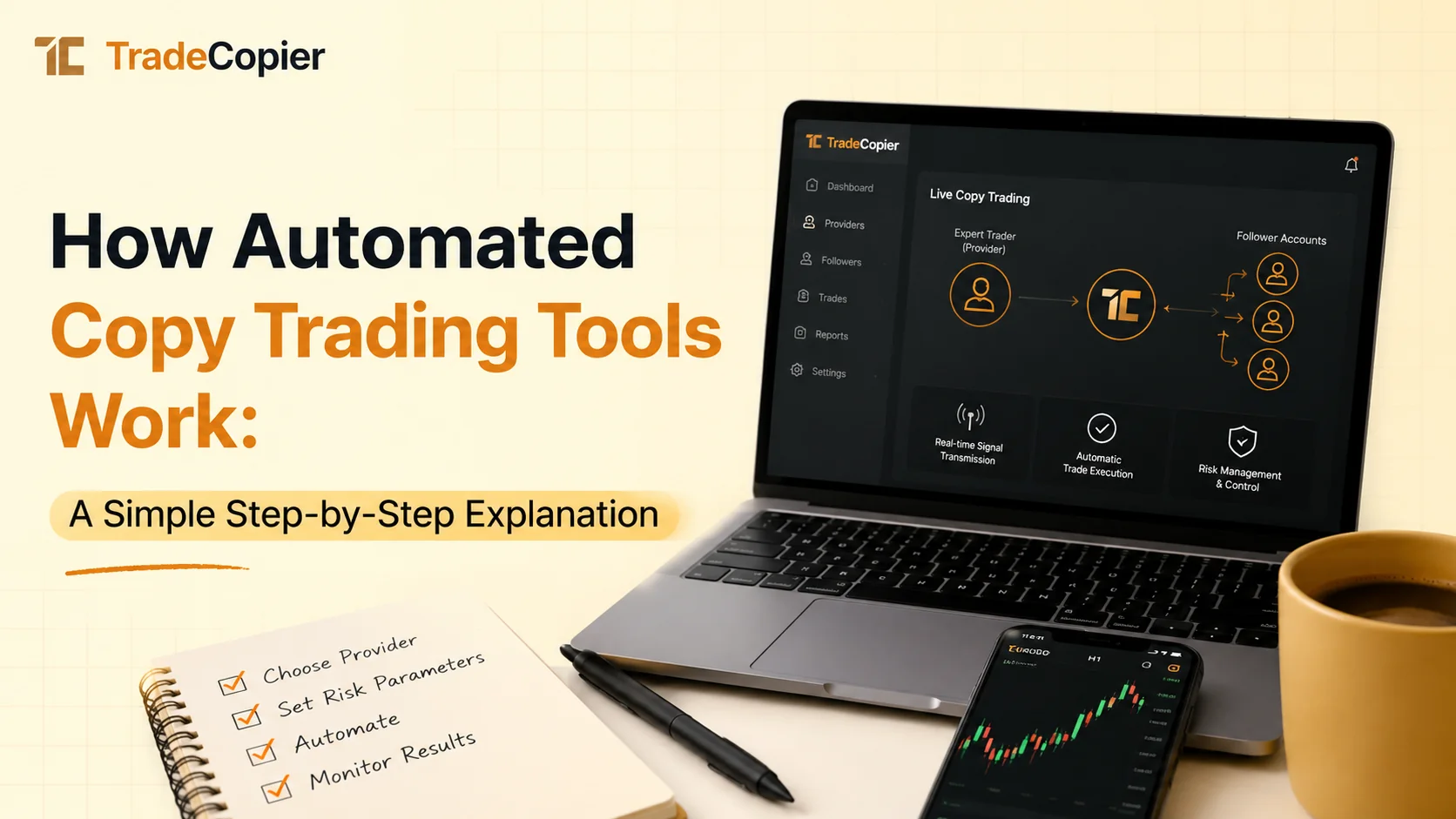
You begin your exploration of copy trading by grasping its fundamental mechanics, which revolve around automation and replication. At its core, a copy trading platform acts as an intermediary, connecting your account to those of expert traders whose strategies you wish to emulate. When a selected trader executes a buy or sell order, the platform instantly mirrors that action in your account, proportionally scaled to your allocated funds and risk settings. This process ensures you benefit from their market insights without manual intervention, ideal for your busy schedule as an intermediate trader.
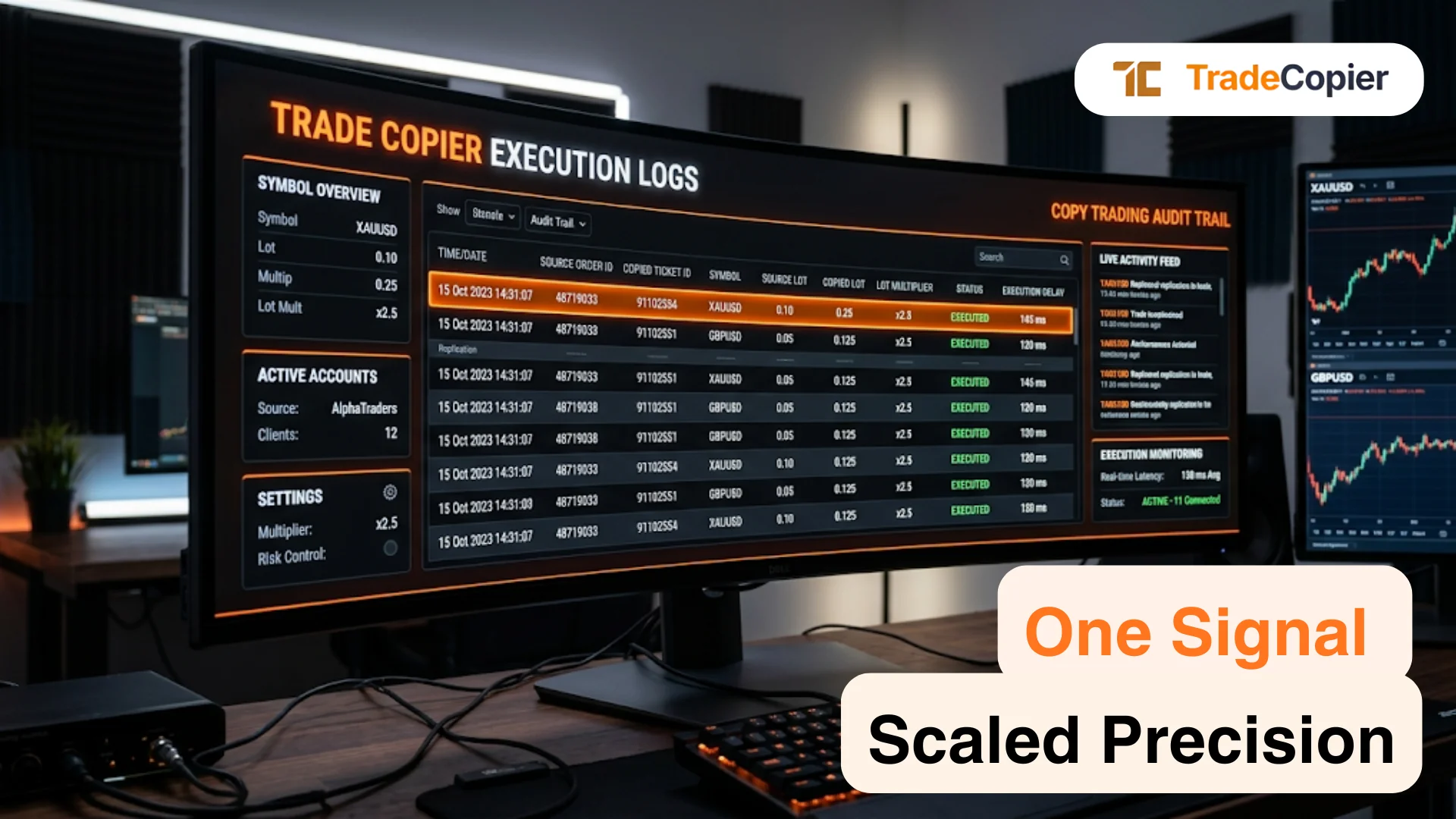
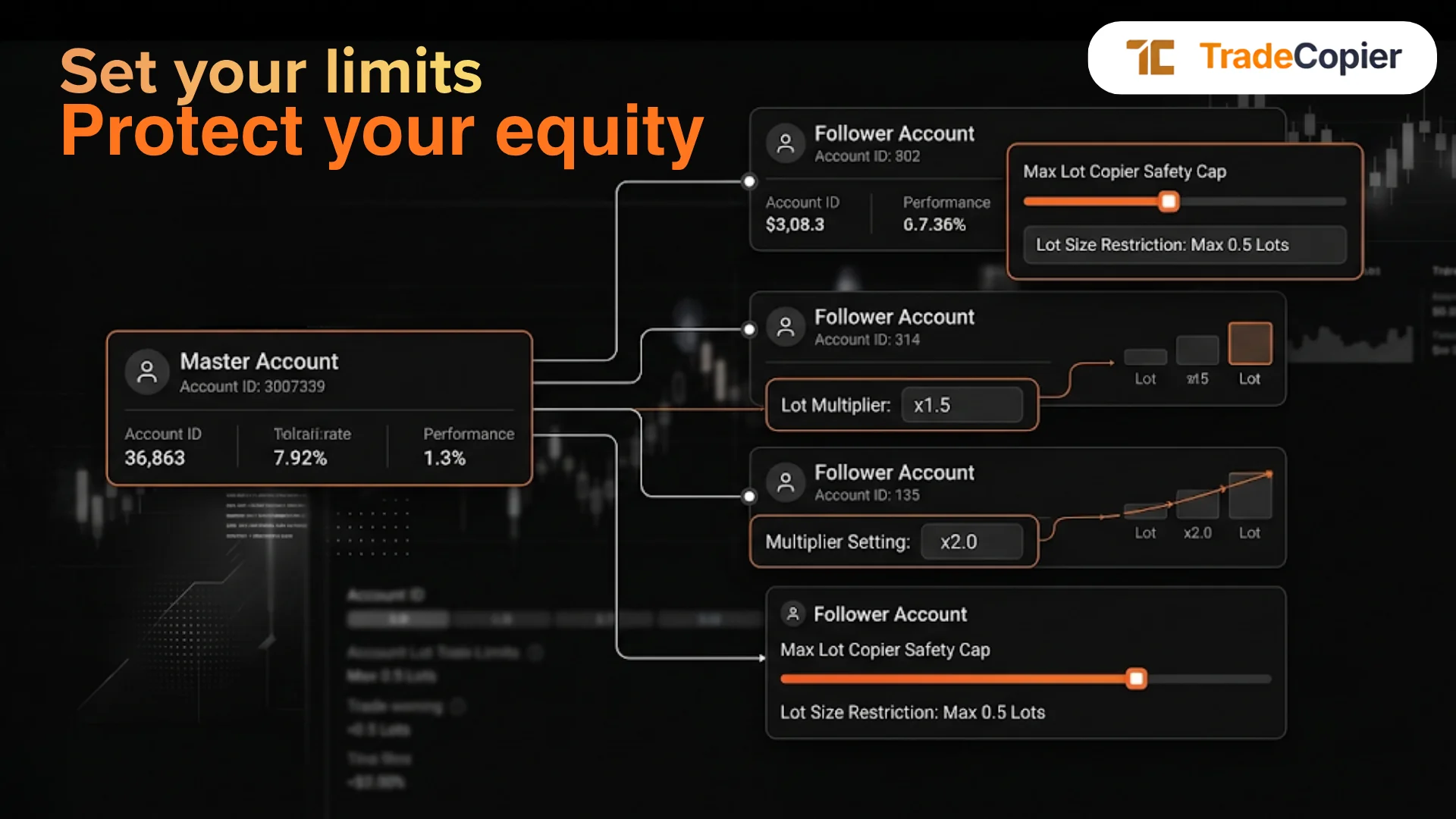
Delve deeper into how signals are transmitted. In copy trading forex scenarios, platforms use secure APIs to fetch trade data from the leader's broker in real-time. You configure parameters such as lot sizes, slippage tolerances, and equity stops to customize the replication. For instance, if a trader opens a long position on EUR/USD with 1 lot, your platform adjusts this to 0.1 lots if you've set a 10% risk allocation, preventing overexposure. This precision is crucial in volatile forex markets, where timing can make or break profitability.
Platforms like those supporting copy trading MT5 enhance this with built-in Expert Advisors (EAs) that automate the copying process. You install a free trade copier MT5 tool, link it to your account, and select providers from a marketplace. These tools often include features like trade filtering—allowing you to copy only certain asset classes or avoid high-risk trades—and performance analytics dashboards. Real-world application: imagine you follow a trader specializing in Asian session forex pairs; the copier ensures trades execute during optimal hours, syncing with your MT5 terminal for seamless integration.
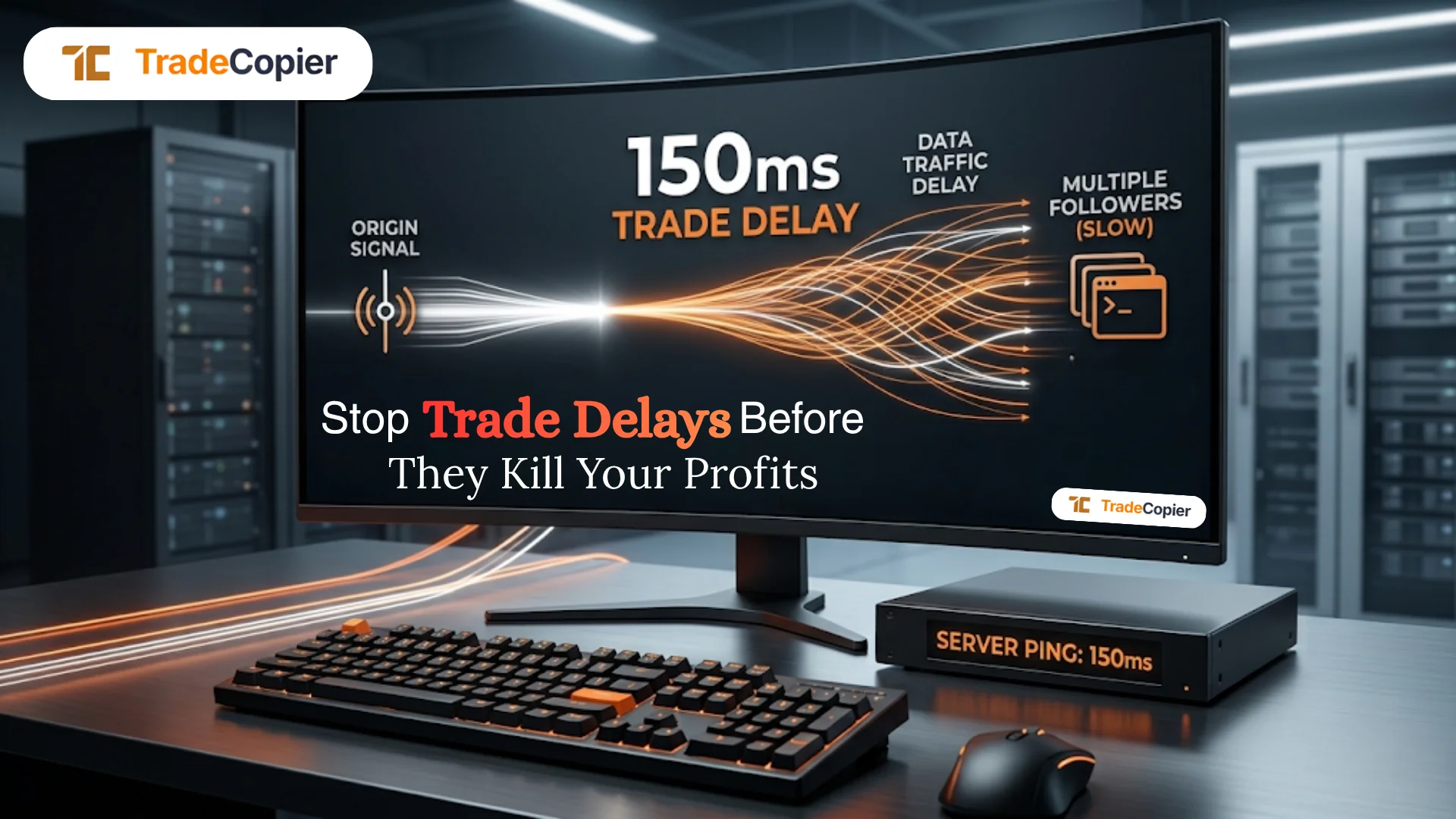
Consider the technical infrastructure. Copy trading platforms employ robust servers to handle latency, often achieving sub-second execution speeds essential for scalping strategies. You benefit from this reliability, as delays could erode profits in fast-moving markets. Moreover, many offer mobile apps, so you monitor copied trades on the go, receiving notifications for key events like drawdowns exceeding your thresholds. A practical tip: start with a demo account to test the mechanics, observing how a free trade copier MT5 handles multiple signal providers without affecting live capital.
Examples abound in practice. Take a mid-level trader like yourself who allocates $5,000 to copy a forex expert with a 65% win rate. Over a month, if the leader nets 15% returns, your proportional gain could be similar, minus any fees. However, mechanics include fee structures—typically 20-30% of profits shared with the leader—which you must factor into net yields. Bullet points outline key steps for setup:
- Choose a regulated copy trading platform compatible with your broker.
- Verify the leader's track record, focusing on metrics like Sharpe ratio and maximum drawdown.
- Set risk management rules, such as maximum 2% account risk per trade.
- Activate the copier and monitor initial trades for alignment with expectations.
Insights from experts highlight the importance of diversification. Copying a single trader exposes you to their biases; instead, distribute across 5-10 providers to mitigate risks. In MT5 environments, free trade copier MT5 options like those from MQL5 community allow granular control, enabling you to pause copying during news events. This level of customization empowers you to tailor the mechanics to your intermediate skill set, turning copy trading into a strategic tool rather than a blind follow.
Furthermore, understand the role of brokers in this ecosystem. Your broker must support copy trading features, often through partnerships with platforms like ZuluTrade or DupliTrade. For copy trading forex, ensure low spreads on major pairs to maximize copied trade efficiency. A case study: an intermediate trader using a free trade copier MT5 on a demo saw 12% returns in three months by copying three balanced portfolios, validating the mechanics before going live. As you implement these, you gain confidence in the system's robustness.
Benefits and Risks of Copy Trading for Intermediate Traders
You unlock significant benefits when integrating copy trading into your routine, starting with time efficiency that frees you for deeper market education. As an intermediate trader, you no longer need to stare at screens for hours; instead, a copy trading platform handles execution, allowing you to analyze broader trends or backtest personal strategies. This passive element enhances your learning curve, as you observe professional decision-making in action, gradually incorporating elements into your own playbook.
Performance potential stands out prominently. By copying top-tier traders, you access strategies honed over years, often yielding superior returns compared to solo efforts. In copy trading forex, where average retail traders lose money, following experts with audited histories can reverse this trend—studies from the European Securities and Markets Authority (ESMA) show copied portfolios outperforming by 10-20% annually in bull markets. You scale your capital effectively, starting small and compounding gains through diversified copying.
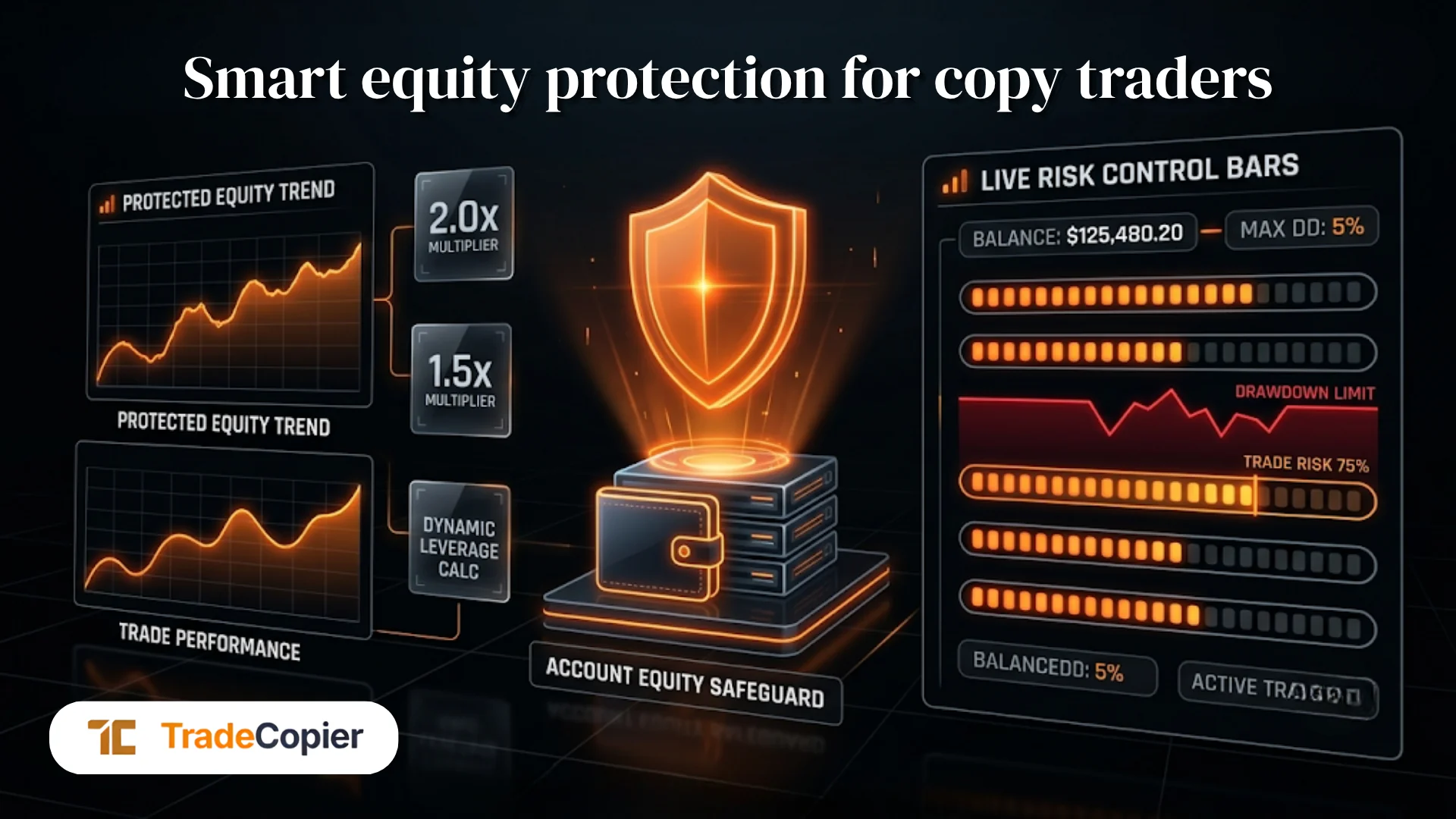
Risk management features add another layer of appeal. Platforms let you set equity protections, like automatic stops if losses hit 10% of your balance, shielding you from black swan events. For copy trading MT5 users, free trade copier MT5 tools include equity curve monitoring, alerting you to underperformance early. Practical advice: allocate no more than 20% of your portfolio to any single copier, spreading risk across forex, stocks, and cryptos for stability.
However, risks demand your vigilant attention. Market correlation is a primary concern—if multiple copied traders bet on similar forex pairs during a downturn, your portfolio amplifies losses. You mitigate this by selecting uncorrelated providers, such as one focusing on majors and another on exotics. Another risk: platform reliability; choose regulated entities to avoid downtime or fund mismanagement, as seen in past broker failures affecting copy services.
Fees can erode benefits if overlooked. While some offer free trade copier options, premium platforms charge subscriptions or profit shares, potentially cutting 1-2% from annual returns. Evaluate cost-benefit: a free trade copier MT5 might suffice for testing, but paid versions provide better analytics. Real-world example: an intermediate trader copying forex signals via MT5 incurred 25% profit share but netted 18% yearly after fees, outperforming their manual trades.
Psychological aspects play a role too. Copy trading reduces emotional trading pitfalls like fear-driven exits, but over-reliance can stunt your growth. Balance by using it as a supplement—copy 70% of your exposure while trading 30% manually. Numbered list of pros and cons:
- Pros: Time savings, expert access, diversification ease.
- Cons: Dependency on leaders, fee impacts, correlation risks.
- Pros: Customizable risk controls, educational value.
- Cons: Platform vulnerabilities, performance variability.
Expert insights from traders like Kathy Lien emphasize blending copy trading with personal analysis for longevity. In volatile periods, such as post-Fed announcements, copied forex trades can surge, but you must review post-trade to understand rationales. A case study involves a trader who faced a 15% drawdown from a single leader's error; diversifying recovered losses within weeks, highlighting resilience. For you, weighing these benefits against risks informs a balanced approach, ensuring copy trading elevates rather than replaces your skills.
Ultimately, the net benefit hinges on your due diligence. Intermediate traders often thrive by starting with low stakes, monitoring for 3-6 months, and adjusting based on data. This investigative mindset turns potential risks into manageable elements, positioning copy trading as a cornerstone of your commercial strategy.
Selecting and Optimizing Your Copy Trading Platform
You approach platform selection methodically, prioritizing those that align with your intermediate trading needs and support key features like copy trading forex integration. Begin by assessing regulation—opt for platforms overseen by bodies like the FCA or CySEC to safeguard your funds. User interface matters too; intuitive dashboards displaying trader stats, trade histories, and risk scores enable quick decisions without a steep learning curve.
Compatibility with tools like MT5 is non-negotiable for you. Seek copy trading MT5 platforms that plug directly into your terminal, avoiding compatibility issues. Free trade copier MT5 options, such as open-source EAs from the MQL5 store, let you experiment cost-free, copying signals from forums or paid providers. Example: install a copier that supports up to 50 providers, filtering trades by equity or time frame to match your forex focus.
Evaluate trader marketplaces. Top platforms boast thousands of verified leaders, with filters for assets, risk levels, and returns. You might select a forex specialist with a 1:2 risk-reward ratio, ensuring steady growth. Practical steps include:
- Review at least 20 traders, prioritizing those with 1+ year history and under 20% drawdown.
- Test via demo: allocate virtual $10,000 and track performance for two weeks.
- Check fee transparency—avoid hidden spreads or withdrawal charges.
Optimization comes next, fine-tuning for your goals. Set global parameters like maximum trades per day to control activity, preventing overtrading in choppy markets. In copy trading forex, enable news filters to pause during high-impact events like NFP releases, preserving capital. Advanced users leverage APIs for custom alerts, integrating with tools like TradingView for holistic oversight.
Performance tracking is vital. Platforms provide equity curves, win/loss ratios, and comparative analytics—use these to rebalance quarterly. If a leader underperforms, you can stop copying instantly, reallocating to rising stars. A real-world application: an intermediate trader optimized a free trade copier MT5 setup by capping exposure at 5% per provider, achieving 22% annual returns with controlled volatility.
Consider scalability. As your account grows, ensure the platform handles larger volumes without slippage. For copy trading platforms, mobile responsiveness allows you to adjust settings remotely, crucial during travel. Insights from industry reports, like those from Investopedia, note that optimized setups yield 15-25% better risk-adjusted returns than unmonitored copying.
Common pitfalls to avoid: ignoring broker-platform synergy, which can cause execution delays, or overlooking tax implications of copied profits. Start small, scaling as confidence builds. Case study: a trader selected a MT5-compatible platform, used its free copier for initial forex trades, and optimized by diversifying into five leaders, turning a $20,000 portfolio into $26,000 in eight months.
By selecting wisely and optimizing rigorously, you transform a copy trading platform into a personalized engine for growth. This process, rooted in commercial investigation, ensures you harness the full potential of tools like free trade copier MT5, advancing your trading proficiency sustainably.
Conclusion
Copy trading offers you, as an intermediate trader, a streamlined path to leverage expert strategies, saving time while enhancing returns through platforms tailored for forex and MT5. Key takeaways include understanding its mechanics for reliable replication, balancing benefits like diversification against risks such as fees and correlations, and selecting optimized setups with due diligence. By integrating these elements, you position yourself for consistent portfolio growth without sacrificing control.
Start Copy Trading Today.
Quick answers
Frequently Asked Questions
Find answers to the most common questions about this topic.
What is the difference between copy trading and social trading?
Copy trading automates the replication of trades from selected providers directly into your account, whereas social trading involves community discussions and idea sharing without automatic execution. For you, copy trading provides hands-off efficiency, ideal for forex focus, while social elements can inform your provider choices on platforms supporting both.
Is a free trade copier MT5 reliable for live trading?
Yes, many free trade copier MT5 tools from reputable sources like MQL5 are robust, offering features like signal filtering and low latency. However, test thoroughly on demo accounts first, as reliability depends on your broker's integration and the copier's update frequency to avoid execution gaps in volatile markets.
How do I minimize risks in copy trading forex?
Diversify across multiple uncorrelated traders, set strict risk parameters like 1-2% per trade, and regularly review performance metrics. Use stop-loss features on your copy trading platform and avoid over-leveraging during news events to protect your capital effectively.
Can intermediate traders profit consistently with copy trading?
Absolutely, with proper selection and monitoring, as evidenced by platforms reporting average 10-15% annual returns for diversified portfolios. Your edge comes from combining copied trades with personal analysis, adapting to market shifts for sustained profitability.
What fees should I expect on a copy trading platform?
Expect profit-sharing (20-50% with leaders), subscription fees ($10-50/month), and broker spreads. Free trade copier options minimize costs, but premium platforms justify fees with advanced analytics—calculate net returns to ensure value aligns with your goals.