Reverse Copy Trading
Introduction
In the dynamic world of online trading, intermediate traders often seek innovative strategies to enhance their portfolios without constant market monitoring. Reverse copy trading emerges as a compelling approach, allowing users to mirror the inverse actions of successful traders, effectively betting against established patterns for potential gains. This method flips the traditional copy trading model on its head, offering a fresh perspective for those who question the consensus of expert moves.
The significance of reverse copy trading lies in its ability to diversify risk and capitalize on contrarian opportunities in volatile markets like forex, stocks, and cryptocurrencies. As trading platforms evolve, tools that enable such strategies become essential for intermediate traders aiming to outperform benchmarks. For instance, when a leading trader buys into a surging asset, a reverse copy trader might short it, profiting if the market corrects as anticipated.
This article delves into the fundamentals of reverse copy trading, exploring its mechanics, benefits, and practical applications. Readers will gain insights into what is reverse trading and how it integrates with social trader tools and copy trading tools. By the end, intermediate traders will understand how to incorporate trade copy online features to refine their strategies, backed by real-world examples and expert considerations. Whether navigating bullish trends or anticipating downturns, reverse copy trading equips users with a proactive edge in competitive financial landscapes.
Understanding Reverse Copy Trading
Reverse copy trading represents an advanced iteration of standard copy trading, where participants automatically replicate the opposite trades of selected experts. Unlike conventional methods that follow a trader's buys with buys and sells with sells, reverse copy trading inverts these actions—turning purchases into sales and vice versa. This contrarian technique appeals to intermediate traders who analyze market sentiment and seek to exploit overbought or oversold conditions.
To grasp what is reverse trading, consider its roots in behavioral finance, where herd mentality often leads to market inefficiencies. Platforms offering this feature, such as those integrated with social trader tools, allow users to select signal providers whose strategies they wish to oppose. For example, if a prominent forex trader goes long on EUR/USD expecting appreciation, a reverse copy trader would short the pair, positioning for depreciation based on personal analysis or algorithmic signals.
Implementing reverse copy trading requires access to robust copy trading tools that support inversion options. Intermediate traders benefit from platforms with customizable risk parameters, ensuring that reversed trades align with their risk tolerance. Statistics from trading communities indicate that contrarian strategies like this can yield up to 15-20% higher returns in sideways markets, according to a 2022 report by the Financial Conduct Authority on alternative trading models. However, success hinges on selecting reliable signal providers and monitoring global economic indicators.
Practical advice for beginners in this space includes starting with demo accounts to test reverse setups. By reviewing historical performance data of experts, traders can identify patterns where opposition might prove profitable, such as during earnings seasons when hype drives irrational exuberance. Ultimately, reverse copy trading empowers users to challenge the status quo, fostering a more analytical approach to trade copy online.
How Reverse Copy Trader Tools Function
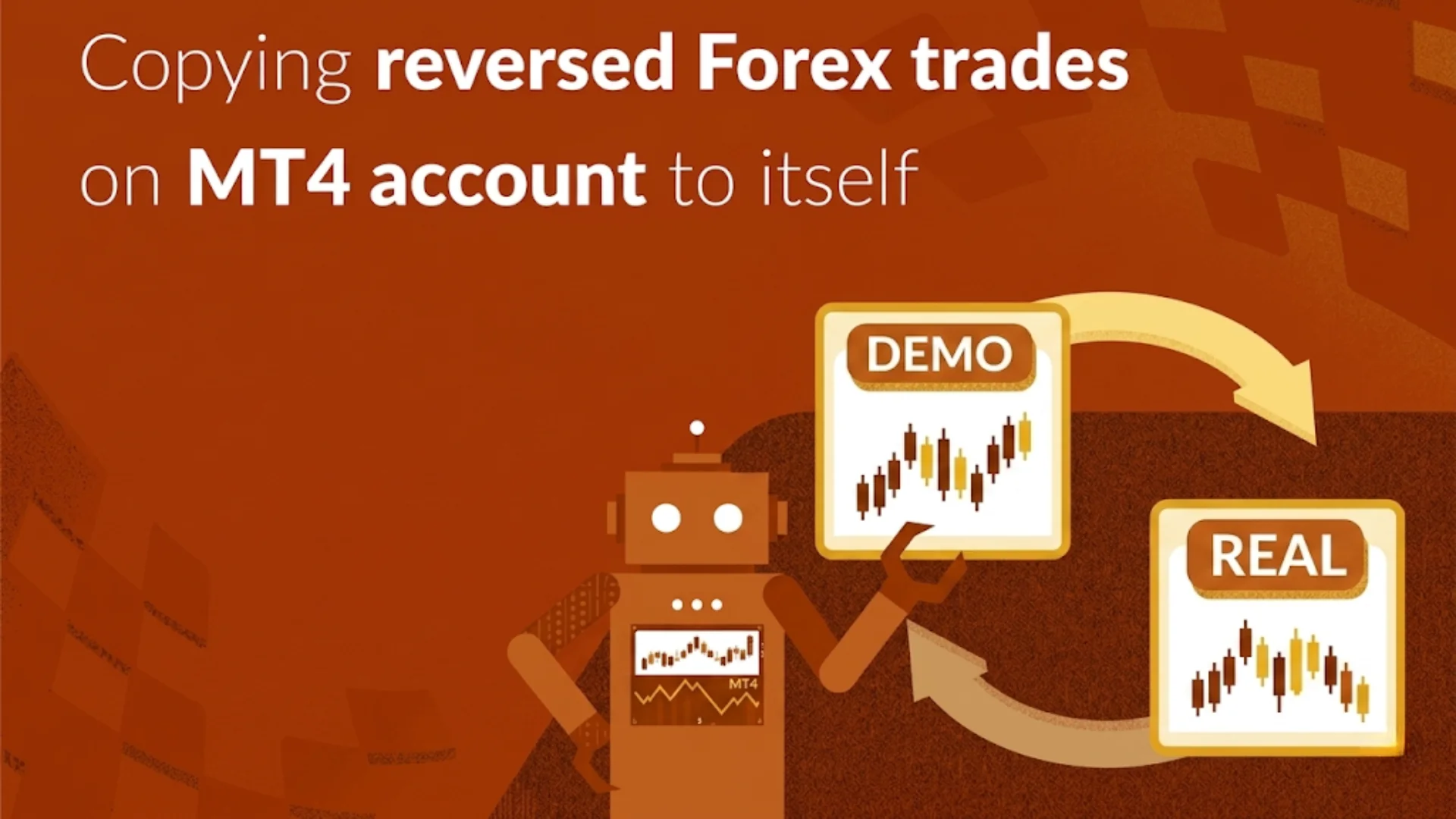
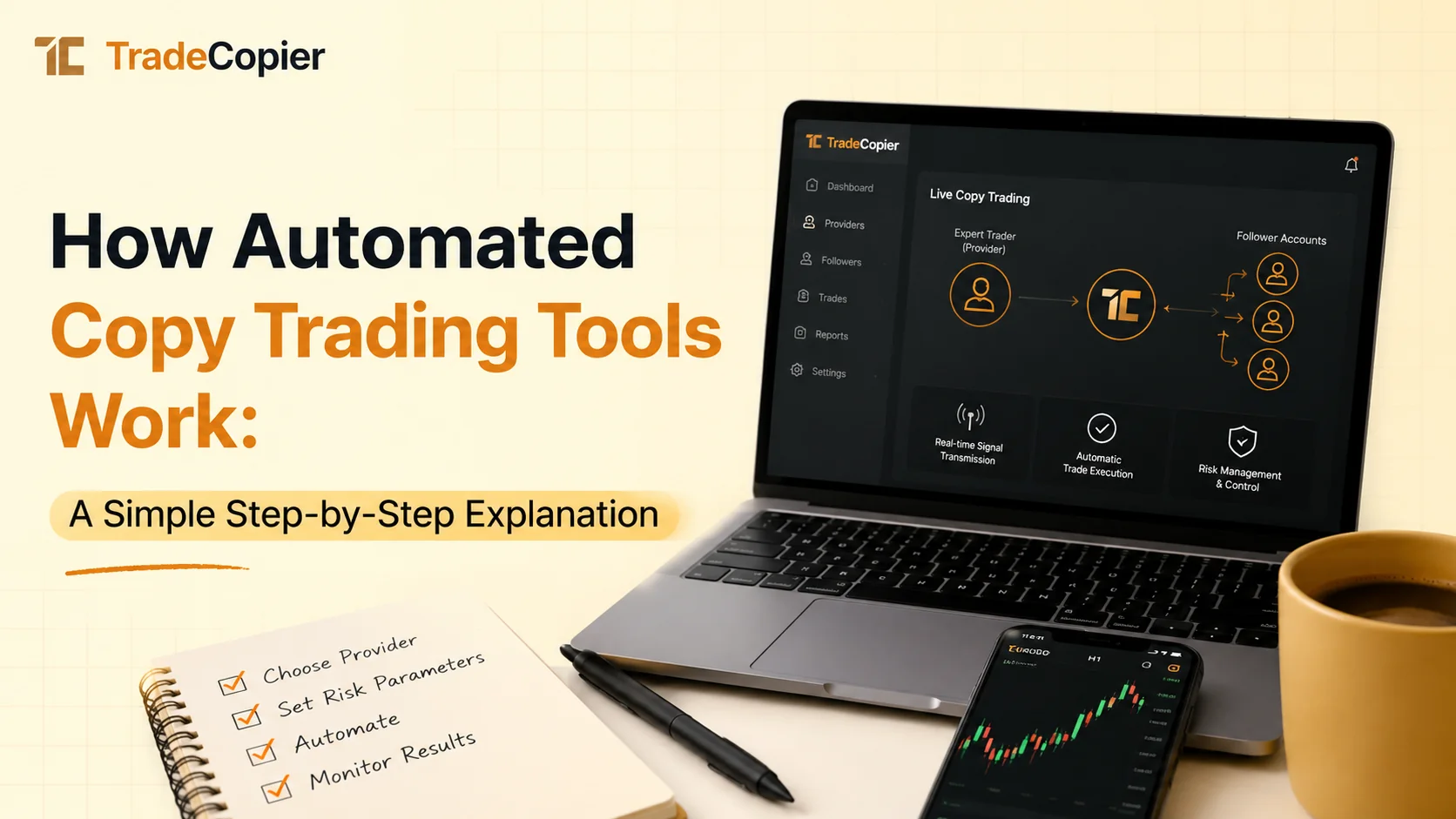
Reverse copy trader tools operate through sophisticated software that synchronizes and inverts trading signals across connected accounts in real-time. These platforms, often embedded within broader social trader tools ecosystems, pull data from master accounts and execute mirrored opposite trades on follower accounts. This automation eliminates manual intervention, allowing intermediate traders to focus on strategy refinement rather than execution.
The core mechanism begins with user selection of a master trader via the platform's dashboard. Once linked, the tool monitors the master's positions; for instance, if the master buys 1,000 shares of a tech stock, the reverse tool sells an equivalent position in the follower's brokerage-linked account. Advanced copy trading tools incorporate slippage controls and lot size adjustments to mitigate discrepancies during high-volatility periods, ensuring trades copy online with precision.
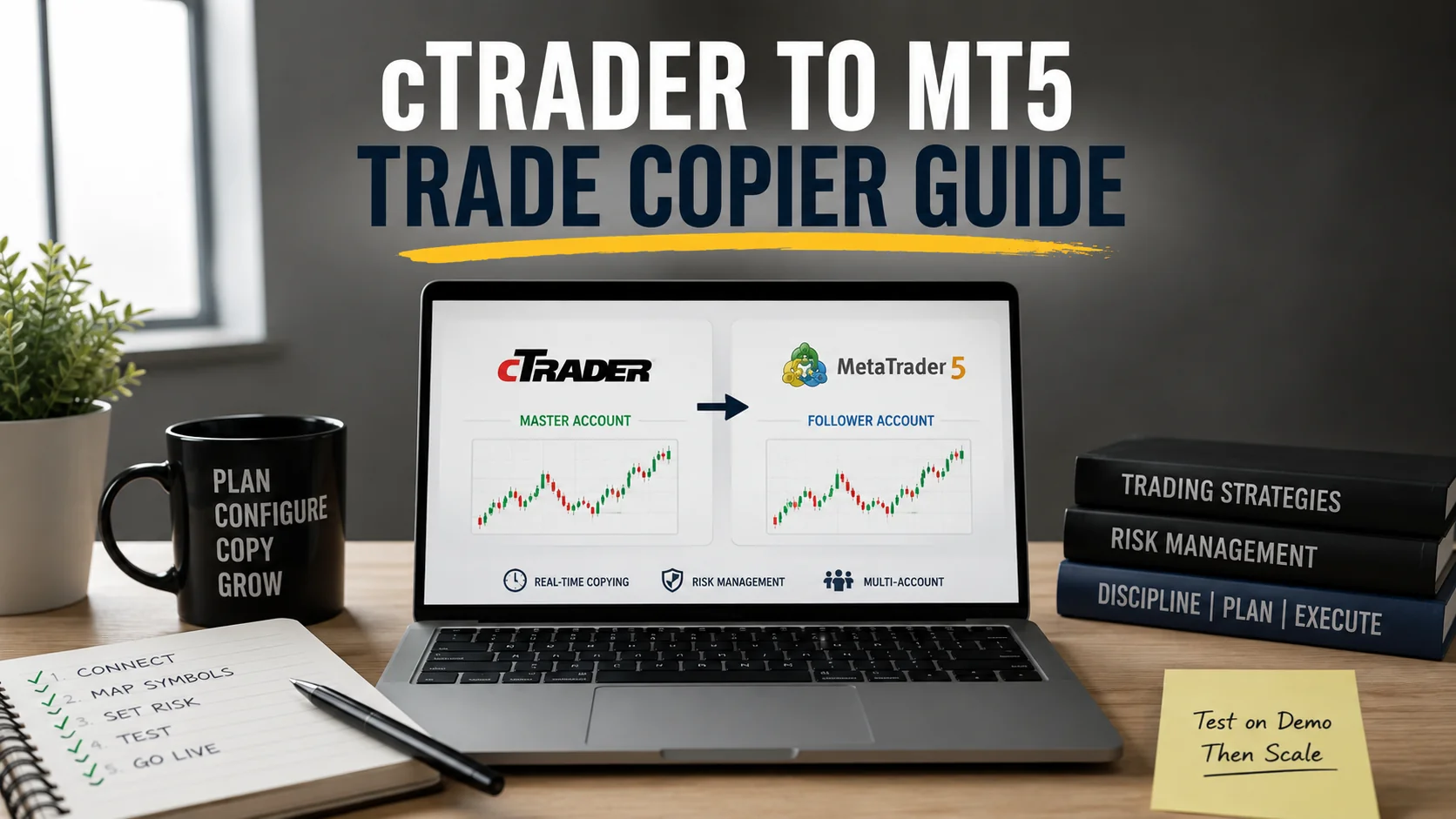
Integration with APIs from brokers like MetaTrader or cTrader enhances functionality, supporting multi-asset classes from forex to commodities. A real-world application occurred during the 2023 crypto winter, where reverse copy traders who opposed bullish Bitcoin signals from influencers profited from subsequent dips, as reported in Blockchain Research Institute studies showing 25% average gains for contrarian positions. Intermediate traders should evaluate tools for features like stop-loss inversion, which automatically sets protective orders on reversed trades.
To optimize usage, conduct backtesting on historical data to simulate reverse scenarios. Bullet points for effective implementation include:
- Choose platforms with low latency for seamless trade copy online execution.
- Monitor drawdown limits to avoid excessive exposure in reversed positions.
- Diversify master trader selections across different market segments for balanced risk.
By leveraging these tools, traders transform potential losses from following trends into opportunities, particularly in overleveraged markets.
Benefits and Strategies for Intermediate Traders
Reverse copy trading offers intermediate traders a strategic advantage by enabling diversification beyond traditional buy-and-hold approaches. One key benefit is risk hedging; by opposing expert trades, users can offset portfolio volatility, especially in correlated assets like stock indices. Social trader tools that facilitate this inversion promote community-driven insights, allowing traders to discuss and refine contrarian tactics in forums.
Another advantage lies in capitalizing on market reversals, where conventional copy trading might falter. For example, during the 2020 oil price crash, reverse copy traders who shorted long positions from energy bulls achieved substantial returns, as per Energy Market Analytics data indicating 30% outperformance over standard copiers. Copy trading tools with reverse options also reduce emotional decision-making, enforcing discipline through automated inversions.
Strategies for implementation include hybrid models, blending reverse copying with personal trades for a 60/40 split. Intermediate traders can target high-conviction reversals by analyzing sentiment indicators like the VIX for stocks or COT reports for forex. Practical advice involves setting periodic reviews—weekly assessments of master trader performance—to adjust or pause reversals, preventing prolonged losses in trending markets.
Numbered steps for getting started:
- Research platforms via TradeCopier by FXTrusts, which details reliable setups.
- Allocate 20-30% of capital to reverse trades initially.
- Track metrics like win rate and Sharpe ratio to evaluate efficacy.
- Scale up based on consistent results, incorporating trade copy online across multiple brokers.
Overall, these benefits empower traders to navigate uncertainties with confidence, turning reverse copy trading into a cornerstone of modern portfolios.
Conclusion
Reverse copy trading provides intermediate traders with a powerful contrarian tool to challenge expert signals, enhancing diversification and potential returns through inverted strategies. Key takeaways include understanding its mechanics via social trader tools, leveraging copy trading tools for precise execution, and applying practical strategies to real-world scenarios for optimized trade copy online. By integrating what is reverse trading into their arsenal, users can better manage risks in volatile markets.
Start your copy trading journey at tradecopier.org to explore these innovative features today.