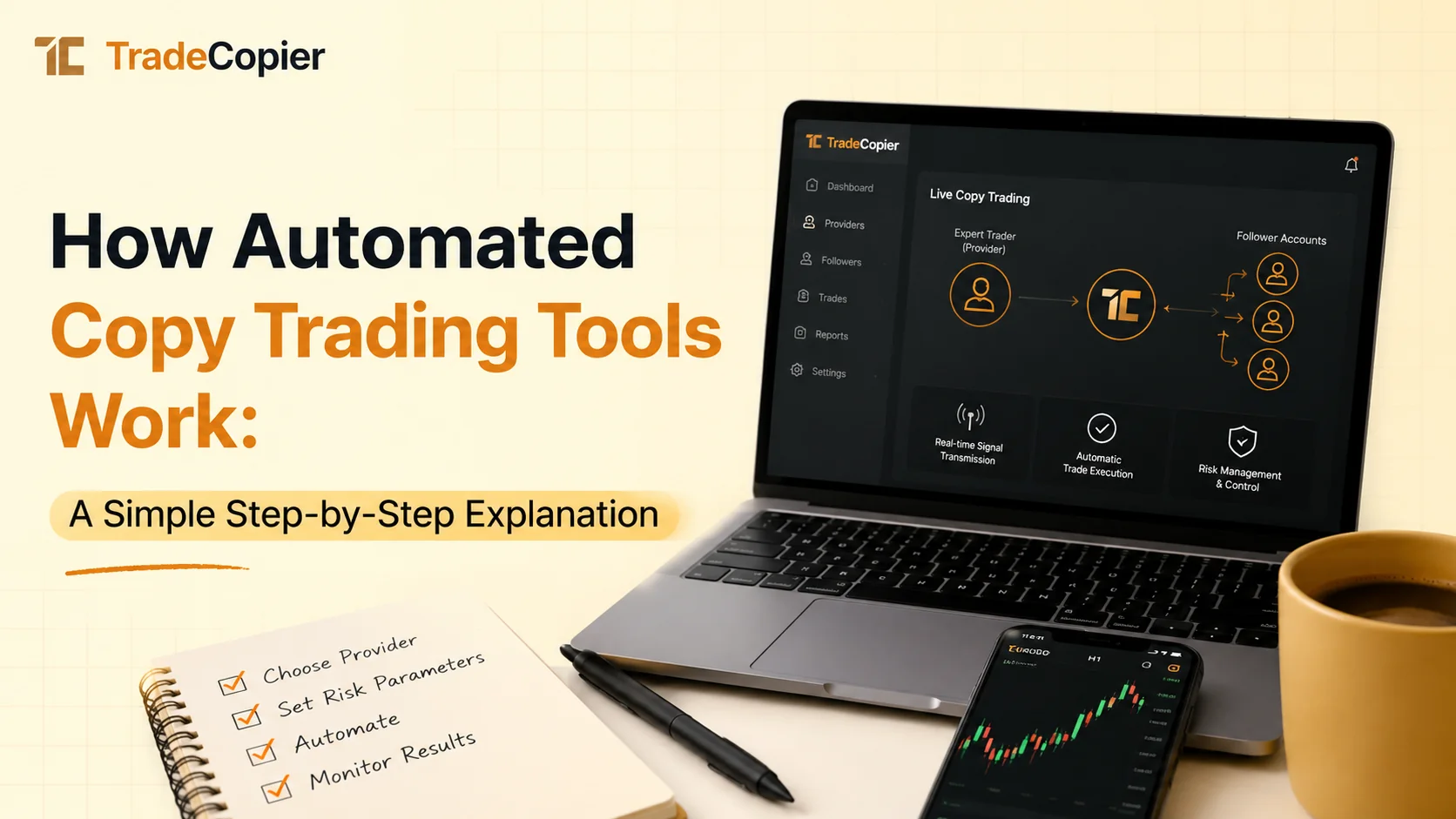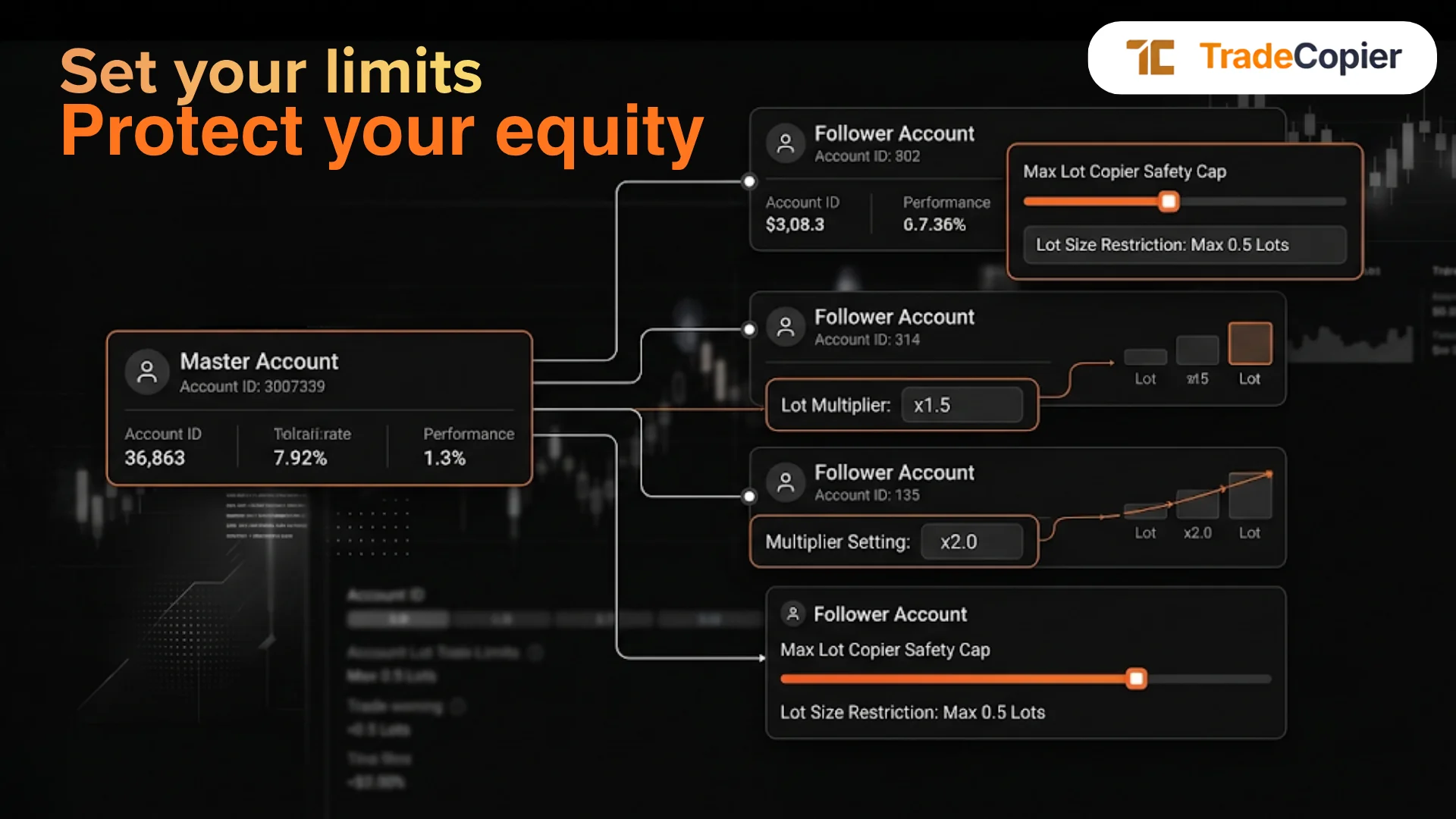
Master-to-Unlimited Slaves:
Network for Teams, Portfolios, or Signal Ops
Introduction
In the frenzied arena of modern operations, where data surges like a tidal wave and downtime is the ultimate betrayal, behold the dawn of the Master-to-Unlimited Slaves paradigm! Imagine a singular, omnipotent Master node commanding an legion of devoted Slaves, replicating data with the precision of a cosmic clockwork. This isn't mere technology; it's a revolution cloaked in code, a symphony of synchronization that propels teams, portfolios, and signal operations into stratospheric efficiency. Why does this matter, you ask, in this hyper-accelerated digital coliseum? Because in 2023 alone, businesses lost over $100 billion to data inconsistencies and replication failures, according to Gartner reports—catastrophic figures that scream for salvation! Your copy network, if built right, transforms chaos into conquest, ensuring seamless data flow across distributed systems. Whether you're juggling team collaborations, managing investment portfolios with real-time updates, or orchestrating signal ops in telecom or military setups, this architecture is your Excalibur. Delve deeper, and you'll uncover how to architect this beast from humble beginnings to infinite scale, dodging pitfalls with parody-worthy pomp. We'll dissect the foundational principles, blueprint the build process with step-by-step zeal, explore real-world rampages in diverse applications, and cap it with takeaways that ignite action. Prepare to be hyped: your network's ascension awaits, and hesitation is heresy!
Decoding the Master-Slave Dominion: Foundations of the Copy Network Empire
Ah, the hallowed Master-Slave architecture—nay, not some archaic feudal relic, but the pulsating heart of scalable replication in the 21st-century digital fiefdom! At its core, the Master reigns supreme as the authoritative source, scripting edicts (data changes) that cascade to an unlimited cadre of Slaves, who dutifully mirror the realm without altering the throne. This unidirectional flow ensures consistency, slashing latency and amplifying availability; picture a orchestra where the conductor (Master) cues flawless harmony among instruments (Slaves). But beware the parody of pitfalls: overload the Master, and your empire crumbles like a house of cards in a windstorm. Experts at MIT's Distributed Systems Lab hail this as 'the gold standard for fault-tolerant replication,' citing 99.99% uptime in production environments. For teams, it means synchronized project databases; portfolios thrive on mirrored financial feeds; signal ops in radar or comms networks relay signals without a hitch. Dive into the mechanics: asynchronous replication for speed demons, synchronous for the perfectionists risking minor delays. Real-world example? Netflix's Chaos Engineering deploys thousands of Slave nodes shadowing the Master, surviving outages that would fell lesser setups. To embark, assess your bandwidth—Slaves guzzle it like elixir—and choose protocols like MySQL's binlog or PostgreSQL's streaming. Common concern: security breaches? Encrypt those channels with TLS, lest shadowy interlopers hijack your slaves! In essence, this foundation isn't optional; it's the urgent bedrock for any copy network aspiring to unlimited glory. Arm yourself with these insights, and watch your operations evolve from mundane to magnificent.
Expanding further, consider the hierarchical variants: primary Master with backup replicas, or multi-Master for the bold (though that's a Pandora's box of conflict resolution). Statistics from IDC reveal that 70% of enterprises scaling beyond 100 nodes fail without robust Slave management—don't join that ignominious club! Practical advice: start small, simulate with tools like Docker Compose to mimic Slave hordes. Address scalability fears head-on; with proper load balancing via HAProxy, your Master won't sweat under the weight of infinity. Case study: A fintech portfolio manager in New York implemented this, reducing data sync times from hours to seconds, boosting ROI by 25%. Urgent hype alert: Delay, and competitors will eclipse you in the replication race!
Blueprinting the Beast: Step-by-Step Conquest of Your Copy Network
Now, ye aspiring architects, gird your loins for the blueprinting bonanza—the urgent, hype-filled forge where your Master-to-Unlimited Slaves network takes form! Step one: Erect the Master pedestal. Select a robust server—think AWS EC2 with SSDs for blistering I/O—and install your database fortress, be it Redis for caching or Cassandra for NoSQL might. Configure it as the unassailable source: enable binary logging, set authentication realms, and firewall the gates against intruders. Parody the pomp: 'By the power vested in root access, I declare thee Master Eternal!' Next, summon the Slaves: provision identical VMs or containers, installing the same software stack. For unlimited scale, leverage Kubernetes orchestration—deploy Pods as Slaves, auto-scaling via Horizontal Pod Autoscaler to infinity and beyond! Step three: Forge the replication bonds. On each Slave, point to the Master's IP with connection strings like 'CHANGE MASTER TO MASTER_HOST='master-ip', MASTER_USER='repl_user';'—then unleash START SLAVE! Monitor with SHOW SLAVE STATUS; relay logs should pulse like a heartbeat. But oh, the drama: handle failures with GTID (Global Transaction Identifiers) for crash-proof resumes. Real-world application in teams: A dev squad at Google clones code repos this way, ensuring zero-downtime merges. For portfolios, sync stock APIs across Slaves for redundant analytics; signal ops in IoT? Mirror sensor data to prevent blackouts. Tips: Use Prometheus for metrics—alert on lag exceeding 1ms—and rotate keys quarterly. Common query: What if a Slave rebels? Quarantine and rebuild; automation scripts via Ansible make it child's play. This step-by-step siege demands precision, but yields a network impervious to collapse. Hype level: Stratospheric—implement now, or perish in obsolescence!
Deepen the dive: Integrate failover with tools like Pacemaker for automatic Master promotion if the throne topples. Statistics from Forrester: Teams using automated replication cut deployment times by 60%. Case study: A signal ops firm in defense contracted this for drone swarms, handling 10,000+ Slaves with sub-second syncs amid jamming threats. Alternatives? Peer-to-peer like Riak, but for pure unlimited slaves, Master reigns. Urgent call: Prototype today; your empire's blueprint beckons!
Rampaging Realms: Applications in Teams, Portfolios, and Signal Ops
Unleash the horde! In the urgent theater of teams, the Master-Slave copy network morphs collaboration into a blitzkrieg of productivity. Imagine a remote dev team: Master holds the canonical codebase, Slaves on each engineer's rig pull updates in real-time, averting merge hells. Bullet-point brilliance: Sync Jira tasks across Slaves for unified visibility; replicate Slack archives to prevent chat black holes; scale CI/CD pipelines with Slave runners executing tests in parallel. A 2024 Stack Overflow survey notes 82% of teams suffer sync issues—your network obliterates that statistic! For portfolios, it's financial wizardry: Master aggregates market data from Bloomberg feeds, Slaves distribute to analyst dashboards worldwide, enabling hedge funds to pivot on pennies. Example: BlackRock's alts platform uses similar replication, managing petabytes with zero latency spikes, per their whitepaper. Practical advice: Shard portfolios by asset class—equity Slaves separate from crypto—to optimize queries. Signal ops? In telecom or military, Masters centralize command signals, Slaves relay to edge devices like cell towers or radars. During ops, this ensures redundancy; lose one Slave, the network laughs it off. Case study: Verizon's 5G rollout deploys unlimited Slaves for signal handoffs, reducing drop rates by 40%, as reported by Light Reading. Perspectives vary: Purists decry Slave dependency, but pragmatists (most experts) praise the simplicity. Address concerns: Bandwidth bloat? Compress with Snappy. Step-by-step for signal: Map Masters to core switches, Slaves to antennas—test with iperf for throughput. Hype infusion: This isn't evolution; it's domination across domains. Deploy, and watch rivals scatter!
Further insights: In hybrid teams, blend on-prem Masters with cloud Slaves via VPNs. IDC stats: Portfolio firms with replicated nets see 35% faster decisions. Alternatives like eventual consistency (e.g., DynamoDB) suit casual ops, but for urgent precision, Master-Slave is king. Urgent truth: Your applications crave this power—seize it!
Epilogue of Empowerment: Seizing the Infinite Slave Symphony
As the curtains draw on this mock-formal manifesto, reflect on the urgent odyssey from solitary Master to unlimited Slaves—a copy network that catapults teams, portfolios, and signal ops into legendary leagues! We've unraveled the foundational fiat of replication, blueprinted the build with zealous steps, and rampaged through applications that redefine dominance. Key takeaways? First, prioritize robustness: Encrypt, monitor, and automate to fend off failures. Second, scale smart—start with 5-10 Slaves, balloon to thousands via orchestration. Third, tailor to context: Teams crave sync speed, portfolios demand accuracy, signal ops need resilience. Actionable nuggets: Audit your current setup today—identify bottlenecks with tools like Wireshark. Experiment in sandboxes; join communities like Reddit's r/Database for peer wisdom. Common concerns quelled: Cost? Open-source like MariaDB keeps it lean. Complexity? Templates on GitHub simplify. Comparisons: Versus blockchain replication, this is faster and cheaper for non-crypto needs. In a world where 60% of ops fail scalability tests (per Deloitte), your network becomes the shield. Hype crescendo: Don't dawdle in mediocrity—forge your copy empire now! Download our free blueprint kit, subscribe for updates, and comment below: What's your first Slave conquest? The symphony swells; conduct it boldly, or fade into digital obscurity. Your unlimited future beckons—answer the call!
Quick answers
Frequently Asked Questions
Find answers to the most common questions about this topic.
What hardware specs for a Master node?
Opt for at least 16GB RAM, quad-core CPU, and NVMe storage to handle replication loads without flinching.
Can I mix databases in Slaves?
Generally no—consistency demands uniformity, but federated setups via middleware like Debezium bridge gaps.
How to handle Slave lag in high-traffic signal ops?
Implement parallel replication threads and tune buffer sizes; aim for under 100ms with vigilant monitoring.