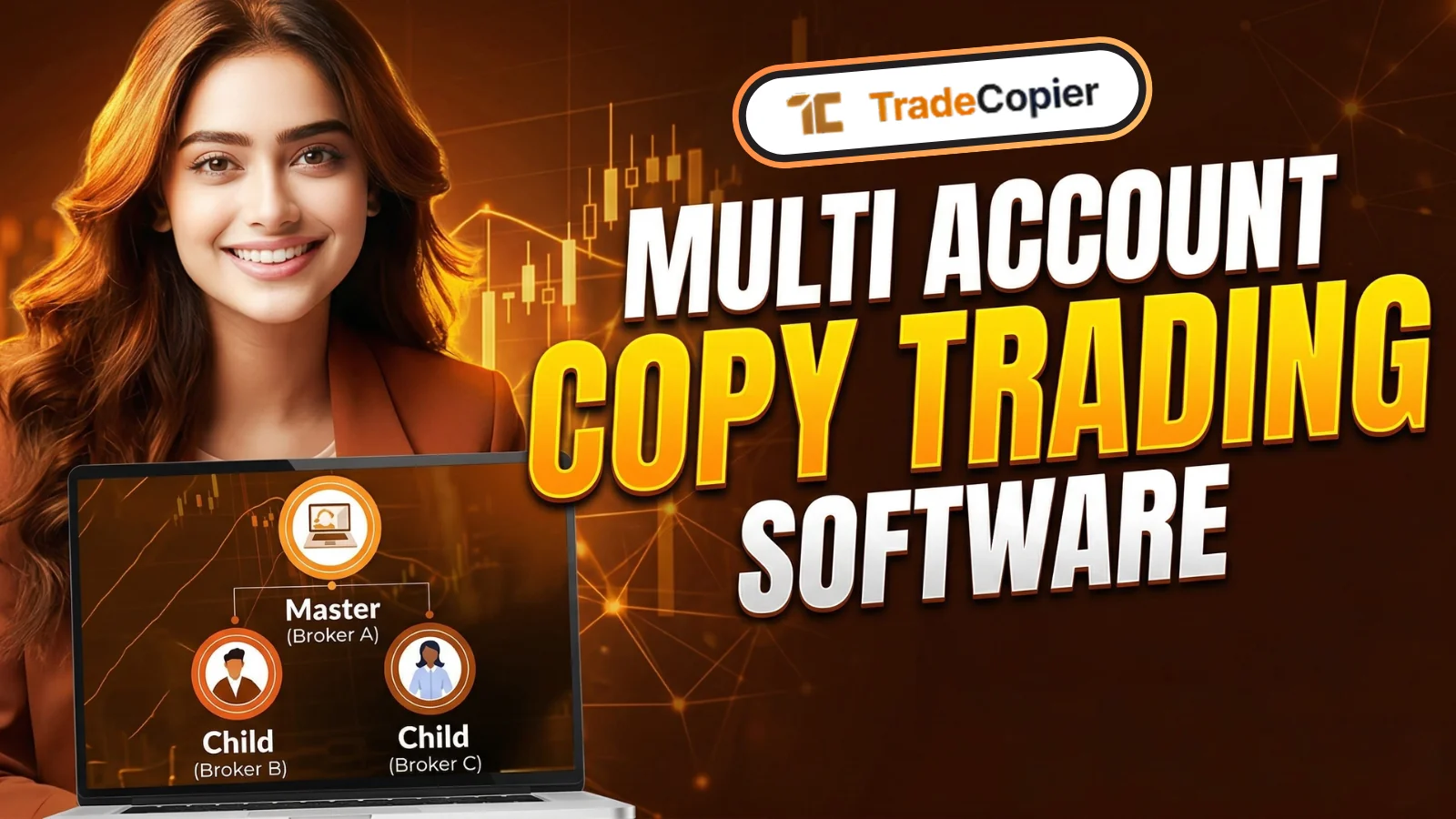
Multi-Account Copy Trading
Introduction
In the fast-paced world of forex and CFD trading, intermediate traders often juggle multiple accounts to diversify risk, capitalize on varying market conditions, or scale their strategies across brokers. Multi-account copy trading emerges as a powerful solution, allowing users to replicate trades seamlessly across several platforms without constant manual intervention. This approach not only saves time but also ensures consistency in executing proven strategies, which is crucial for traders aiming to grow their portfolios efficiently.
The significance of multi-account copy trading lies in its ability to bridge the gap between manual oversight and automated execution. For intermediate traders, who possess a solid understanding of market dynamics but may lack the bandwidth for round-the-clock monitoring, this method amplifies opportunities while mitigating errors from fatigue or oversight. According to a 2023 report by the Forex Traders Association, over 60% of active traders using copy trading tools reported improved performance metrics, including higher win rates and reduced drawdowns, highlighting its practical value in competitive markets.
This article delves into the essentials of multi-account copy trading, exploring its core mechanics, strategic benefits, and implementation tools tailored for intermediate users. Readers will gain insights into how social trader tools enhance connectivity, the nuances of cTrader copy trading between accounts, and the role of reliable trade copiers in streamlining operations. By the end, traders will have actionable knowledge to integrate this technique into their routines, fostering disciplined and scalable trading practices.
What is Multi-Account Copy Trading?
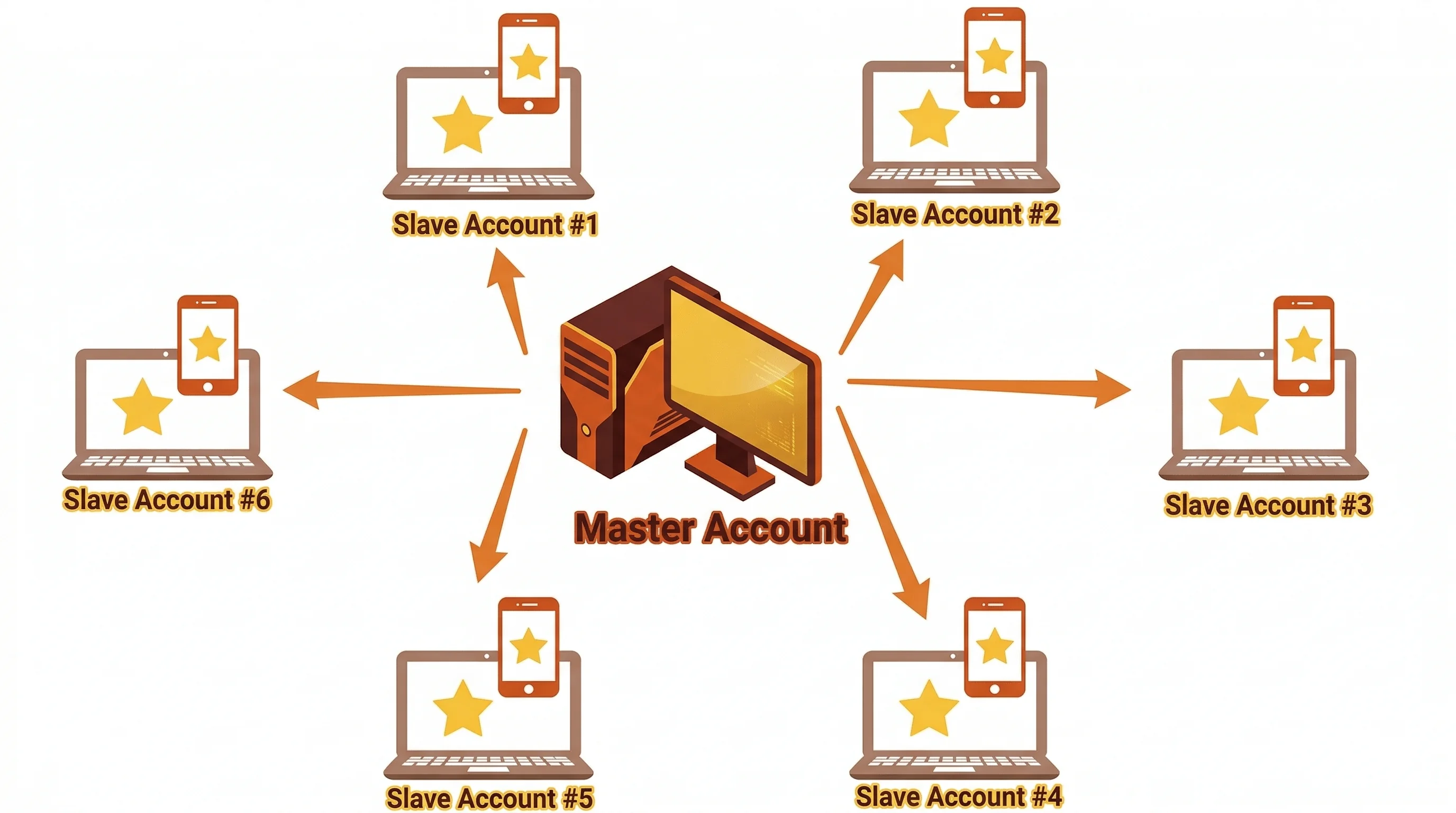
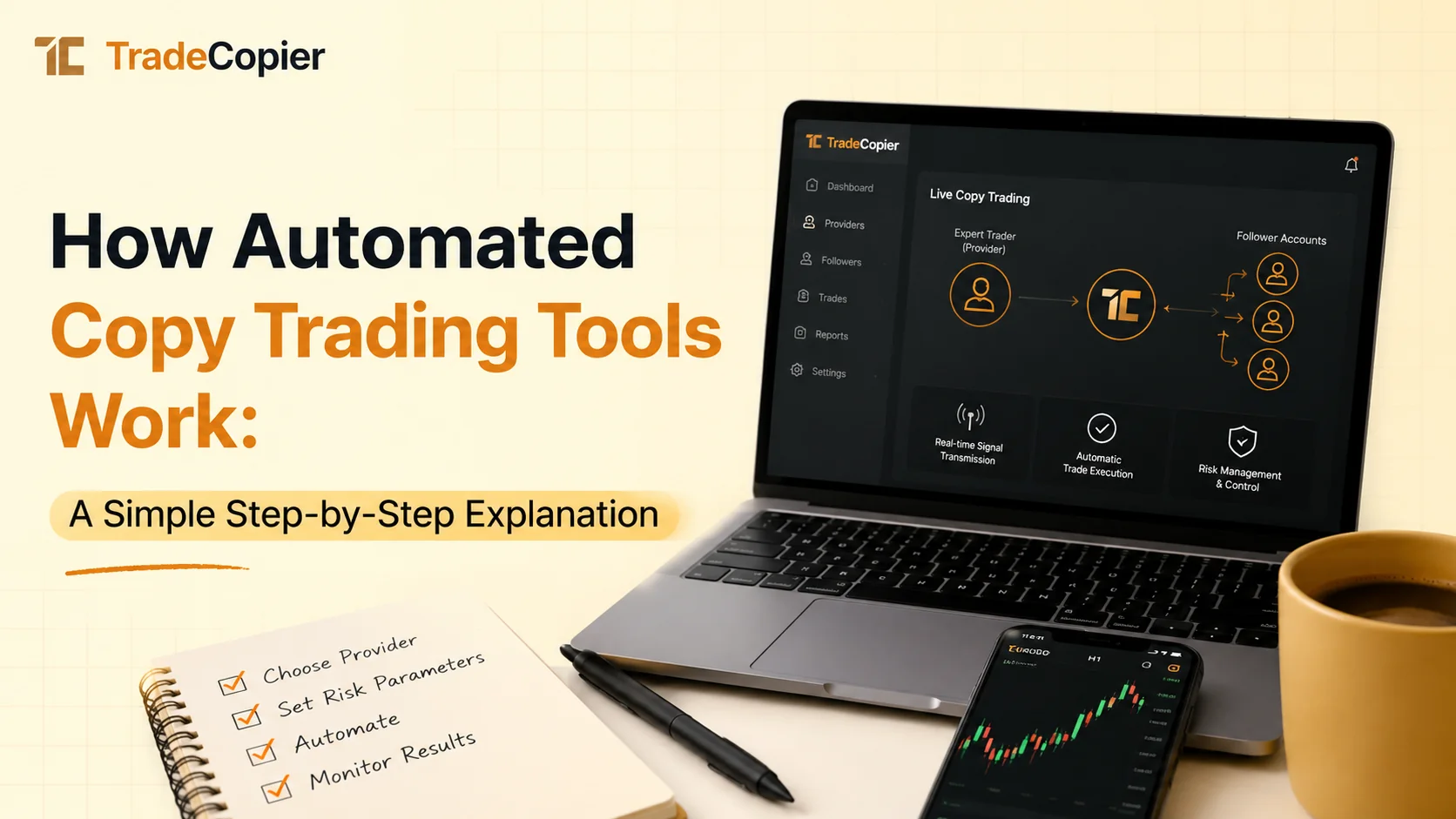
Multi-account copy trading refers to the automated replication of trades from a master account to one or more slave accounts, enabling synchronized execution across diverse trading environments. This process leverages specialized software that mirrors positions, entry points, stop-losses, and take-profits in real-time, ensuring that all accounts follow the same strategy without deviation. For intermediate traders, this means maintaining control over a primary strategy while distributing it across accounts on different brokers, which can offer varying leverage, spreads, or asset access.
At its core, the system operates through a trade copier mechanism that connects accounts via APIs or direct platform integrations. Unlike basic signal services, multi-account copy trading provides granular control, such as adjusting lot sizes proportionally based on account equity or pausing replication for specific instruments. A practical example involves a trader managing a high-risk scalping strategy on one account and a conservative swing trade on another; the copier ensures both reflect the master signals adapted to each account's risk profile, preventing overexposure.
Social trader tools play a pivotal role here, extending beyond mere copying to foster community-driven insights. Platforms incorporating these tools allow traders to follow verified performers and replicate their multi-account setups, blending individual expertise with collective wisdom. In cTrader copy trading between accounts, users benefit from the platform's robust automation features, which support seamless inter-account transfers while adhering to regulatory standards. This setup is particularly advantageous for intermediate traders navigating volatile markets, as it reduces emotional decision-making and promotes data-backed consistency. Statistics from cTrader's ecosystem indicate that users employing multi-account copying see up to 25% faster strategy deployment compared to manual methods.
Implementing this requires understanding compatibility; not all brokers support direct copying, so selecting a versatile trade copier is essential. Traders should evaluate latency issues, as delays in replication can impact profitability in fast-moving markets like forex majors. Overall, multi-account copy trading transforms fragmented account management into a cohesive, efficient system, empowering intermediate users to focus on analysis rather than execution.
Benefits and Strategies for Intermediate Traders
For intermediate traders, multi-account copy trading offers substantial benefits, starting with enhanced risk diversification across multiple platforms. By replicating trades simultaneously, users can allocate capital strategically—perhaps 40% to a low-volatility account for steady growth and 60% to a higher-risk one for aggressive gains—without duplicating efforts. This not only optimizes returns but also buffers against broker-specific downtimes or adverse conditions, as evidenced by a 2022 study from the International Financial Markets Association, where diversified copy traders experienced 15% lower overall volatility.
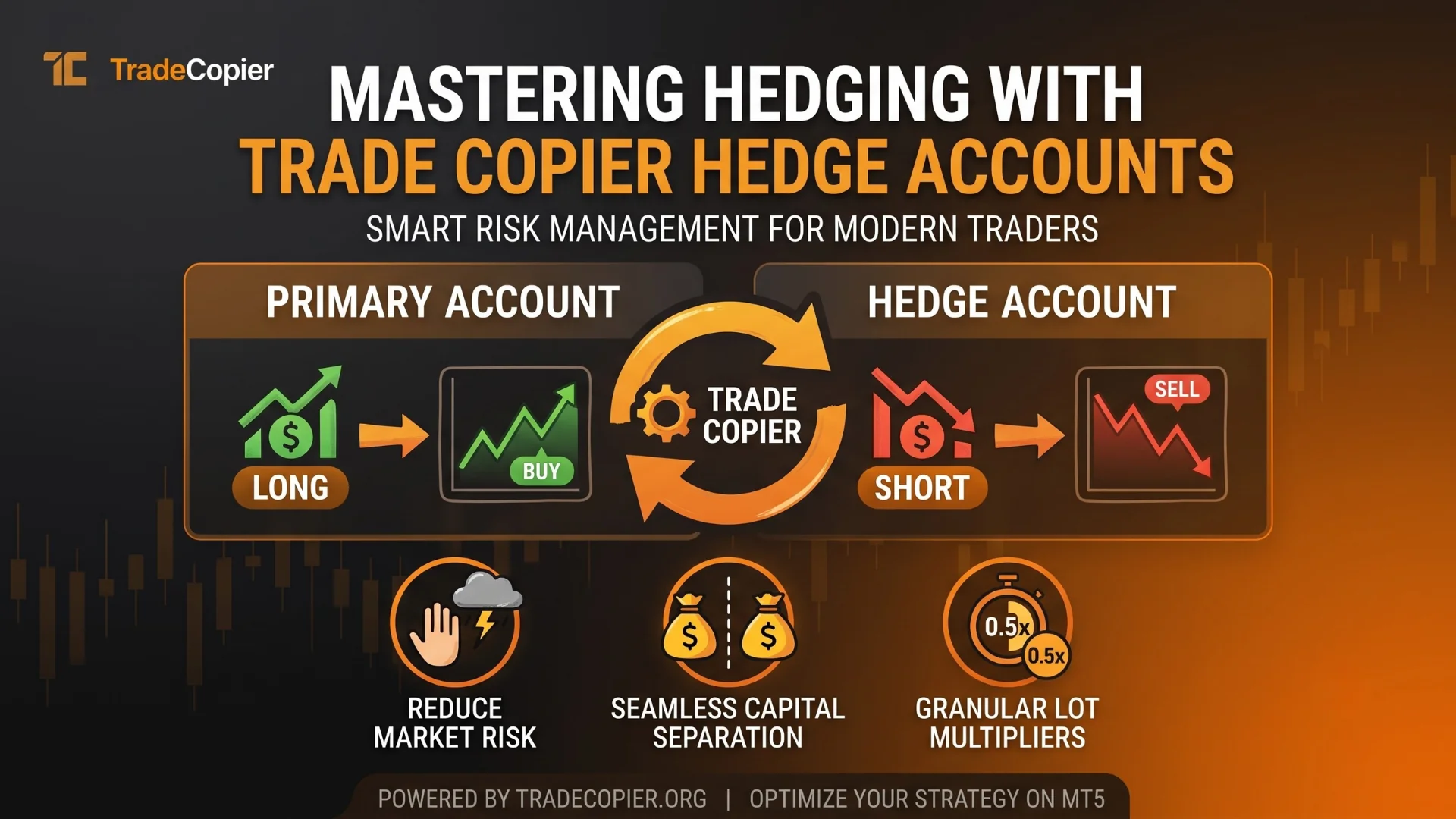
Another key advantage is time efficiency; manual trade entry across accounts can consume hours, but automated copiers handle this in seconds, freeing traders for deeper market research. Strategies like hedging across accounts become feasible, where opposing positions in correlated pairs mitigate risks during uncertain events such as central bank announcements. For instance, an intermediate trader following EUR/USD trends might copy long positions to one account while shorting a correlated asset in another, balancing the portfolio dynamically.
Social trader tools amplify these benefits by integrating performance analytics, allowing users to select copiers based on historical data like Sharpe ratios or maximum drawdowns. In the context of cTrader copy trading between accounts, traders can employ advanced strategies such as partial closes or trailing stops replicated precisely, enhancing adaptability. A real-world application involves portfolio scaling: a trader with $50,000 total equity might distribute it across three accounts, copying a momentum strategy that yielded 18% annual returns in backtests, resulting in compounded growth without proportional effort.
To maximize strategies, intermediate traders should prioritize risk management protocols within the copier, such as equity-based lot sizing to prevent over-leveraging smaller accounts. Regular performance audits are crucial; reviewing replication logs helps identify discrepancies, like slippage in exotic pairs. By weaving in trade copier functionalities, users can simulate multi-account scenarios in demo environments first, building confidence before live deployment. This approach not only boosts profitability but also cultivates a disciplined trading mindset essential for long-term success.
Implementing Multi-Account Copy Trading: Tools and Best Practices
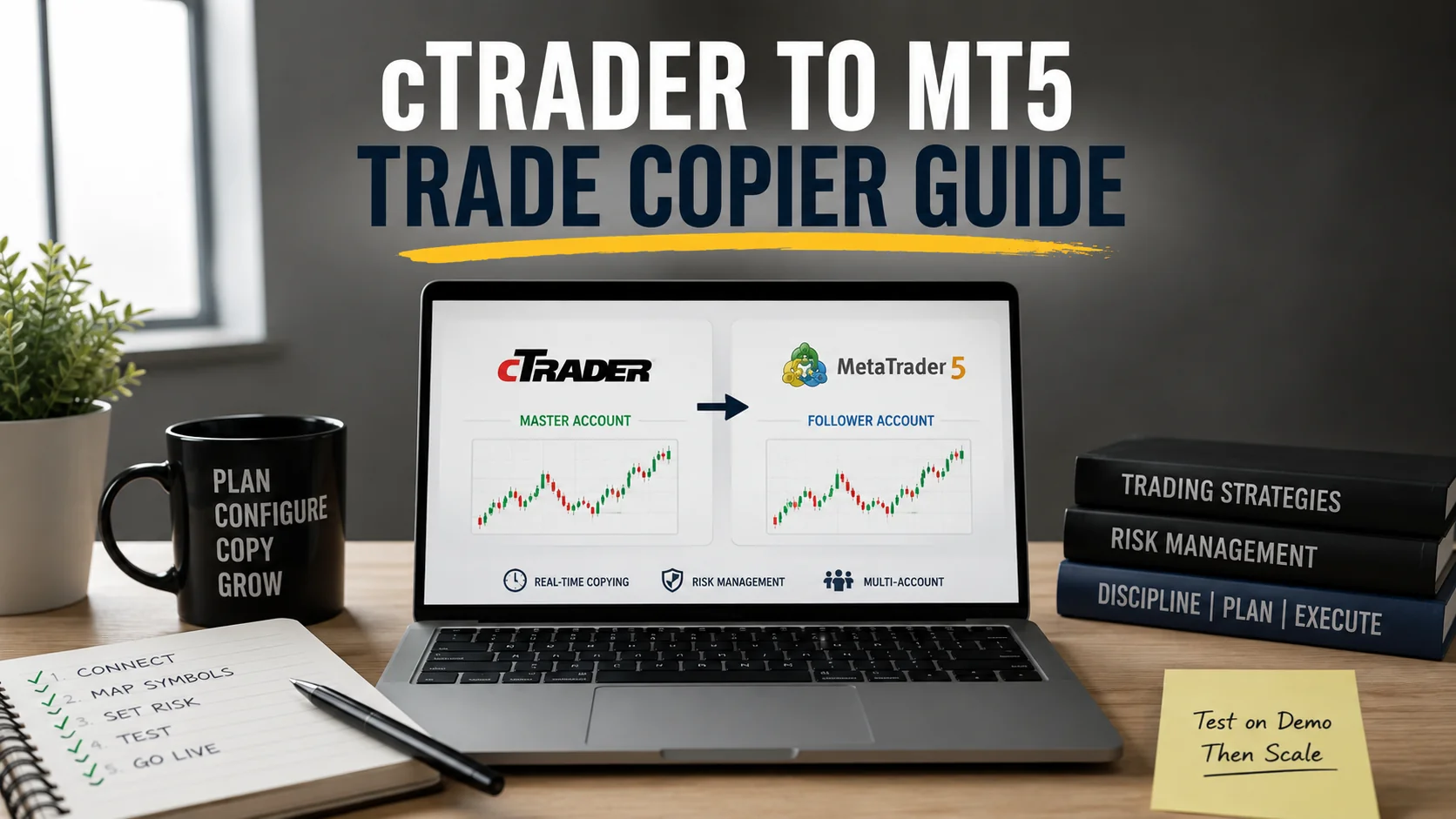
Successful implementation of multi-account copy trading begins with selecting robust tools that align with trading platforms and broker requirements. A reliable trade copier software acts as the backbone, facilitating instant signal transmission between master and slave accounts while supporting customization for different time zones or asset classes. For intermediate traders, tools like those integrated with cTrader offer native support for copy trading between accounts, minimizing setup complexities and ensuring compliance with MT4/MT5 standards.
Key best practices include starting with a thorough broker compatibility check; not all platforms allow external copiers due to API restrictions, so opting for multi-broker supported solutions is advisable. Configuration involves setting parameters such as maximum slippage tolerance—typically 2-3 pips for forex—and enabling notifications for failed replications. An example setup might involve linking a primary MT5 account to two cTrader slaves: the trade copier mirrors orders, adjusting volumes based on a 1:2 equity ratio, which proved effective in a case study where a trader scaled from $10,000 to $30,000 across accounts in six months.
Social trader tools enhance implementation by providing dashboards for monitoring multiple accounts in one interface, complete with risk metrics and leaderboards. When using cTrader copy trading between accounts, traders can leverage its automated allocation features to distribute trades proportionally, reducing manual tweaks. Practical advice includes conducting backtests on historical data to validate copier accuracy; tools reporting over 99% replication fidelity are ideal for live use.
Security is paramount—employ VPNs and two-factor authentication to protect connections, especially with third-party copiers. Regular updates to software prevent vulnerabilities, and diversifying copiers across accounts avoids single-point failures. For deeper integration, explore advanced trade copiers that support conditional copying, like replicating only during high-liquidity hours. By following these practices, intermediate traders can deploy multi-account copy trading effectively, turning complex management into a streamlined process that drives consistent results. For more on specialized solutions, consider exploring TradeCopier by FXTrusts, which offers tailored features for seamless multi-account operations.
Conclusion
Multi-account copy trading empowers intermediate traders with efficient strategy replication, risk diversification, and time savings through tools like trade copiers and social trader platforms. By understanding its mechanics, leveraging benefits such as cTrader copy trading between accounts, and applying best practices, users can achieve scalable growth while minimizing operational hurdles. Key takeaways include prioritizing compatible software, rigorous risk management, and continuous performance monitoring to optimize outcomes.
Join Our Comunity — Facebook | Linkedin | Twitter | Pinterest.