How to Start Your Own Forex Signal Service (Provider Guide)
Introduction
The forex market presents endless opportunities for traders seeking to capitalize on currency fluctuations, but not everyone has the time or expertise to monitor charts around the clock. This is where forex signal services come into play, offering intermediate traders actionable insights to enhance their trading strategies. Starting your own forex signal service allows experienced traders to monetize their skills by providing timely trade recommendations to subscribers, potentially generating a steady income stream in a competitive industry.
Becoming a forex signal provider is more accessible than ever, thanks to advancements in technology and accessible platforms. However, success requires a solid understanding of market dynamics, reliable signal generation methods, and effective client management. This guide explores how to start a forex signal service, from foundational steps to operational setup, helping intermediate traders transition into providers who can sell forex signals to clients profitably.
In the following sections, readers will discover the essentials of building a credible service, including technical infrastructure like signal provider trade copier setups and white label copy trading platforms. Whether aiming to attract a niche audience or scale globally, this provider guide outlines practical strategies to establish and grow a sustainable business. By the end, intermediate traders will have a clear roadmap to launch their venture, leveraging their trading acumen for long-term success in the forex ecosystem.
The demand for quality signals has surged, with the global forex market volume exceeding $7.5 trillion daily, according to the Bank for International Settlements. Providers who deliver consistent, data-driven signals can build trust and loyalty, turning one-time subscribers into repeat clients. This introduction sets the stage for a comprehensive exploration, ensuring aspiring providers grasp the opportunities and challenges ahead.
Understanding the Forex Signal Service Model
A forex signal service operates by analyzing market conditions and delivering trade alerts—such as entry points, stop-loss levels, and take-profit targets—to subscribers via email, apps, or Telegram channels. Intermediate traders looking to become forex signal providers must first recognize that reliability stems from a proven trading strategy, often rooted in technical analysis, fundamental insights, or algorithmic models. For instance, a provider might use moving averages and RSI indicators to identify trends in EUR/USD pairs, ensuring signals align with broader market volatility.
To how to start forex signal service effectively, providers should define their niche, such as focusing on major pairs or scalping during high-liquidity sessions like the London-New York overlap. This specialization helps differentiate from competitors and attracts clients seeking tailored advice. Moreover, transparency is crucial; successful providers share performance metrics, like win rates above 60% over six months, backed by verified trading history on platforms like Myfxbook, fostering credibility among intermediate traders wary of scams.
Legal and ethical considerations form the backbone of a sustainable model. Providers must comply with regulations from bodies like the CFTC or FCA, disclosing risks and avoiding guaranteed profit claims. A real-world example is a provider who started with free signals to build a community on social media, gradually introducing paid tiers that generated $5,000 monthly revenue within a year. By emphasizing education alongside signals, such services empower clients, reducing churn and enhancing reputation.
Ultimately, the model thrives on value delivery. Intermediate traders transitioning to providers should audit their own track record, aiming for at least 12 months of consistent results before launching. This foundation ensures the service not only informs but also educates, positioning the provider as a trusted authority in the forex space.
Setting Up Technical Infrastructure for Signal Delivery
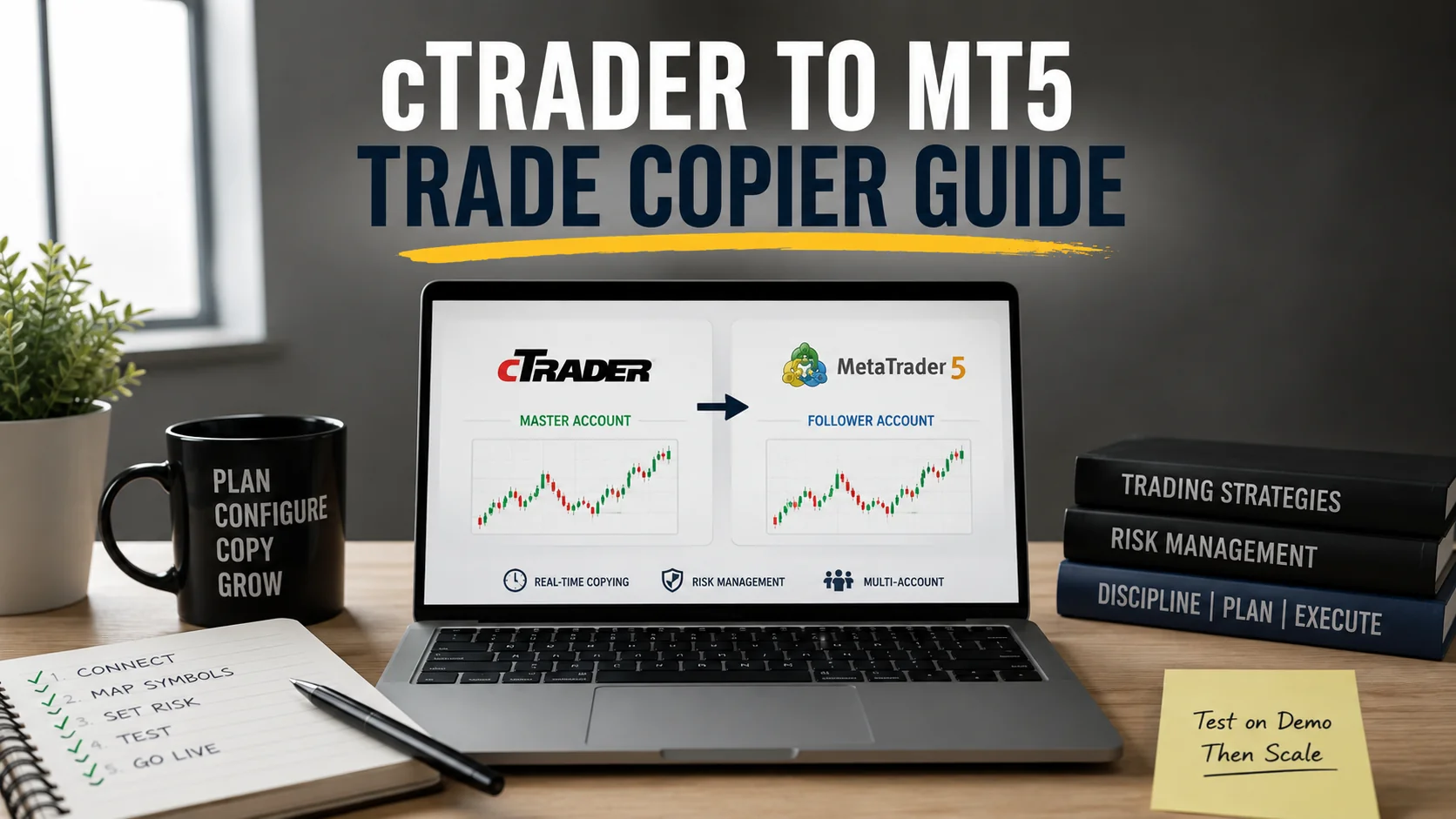
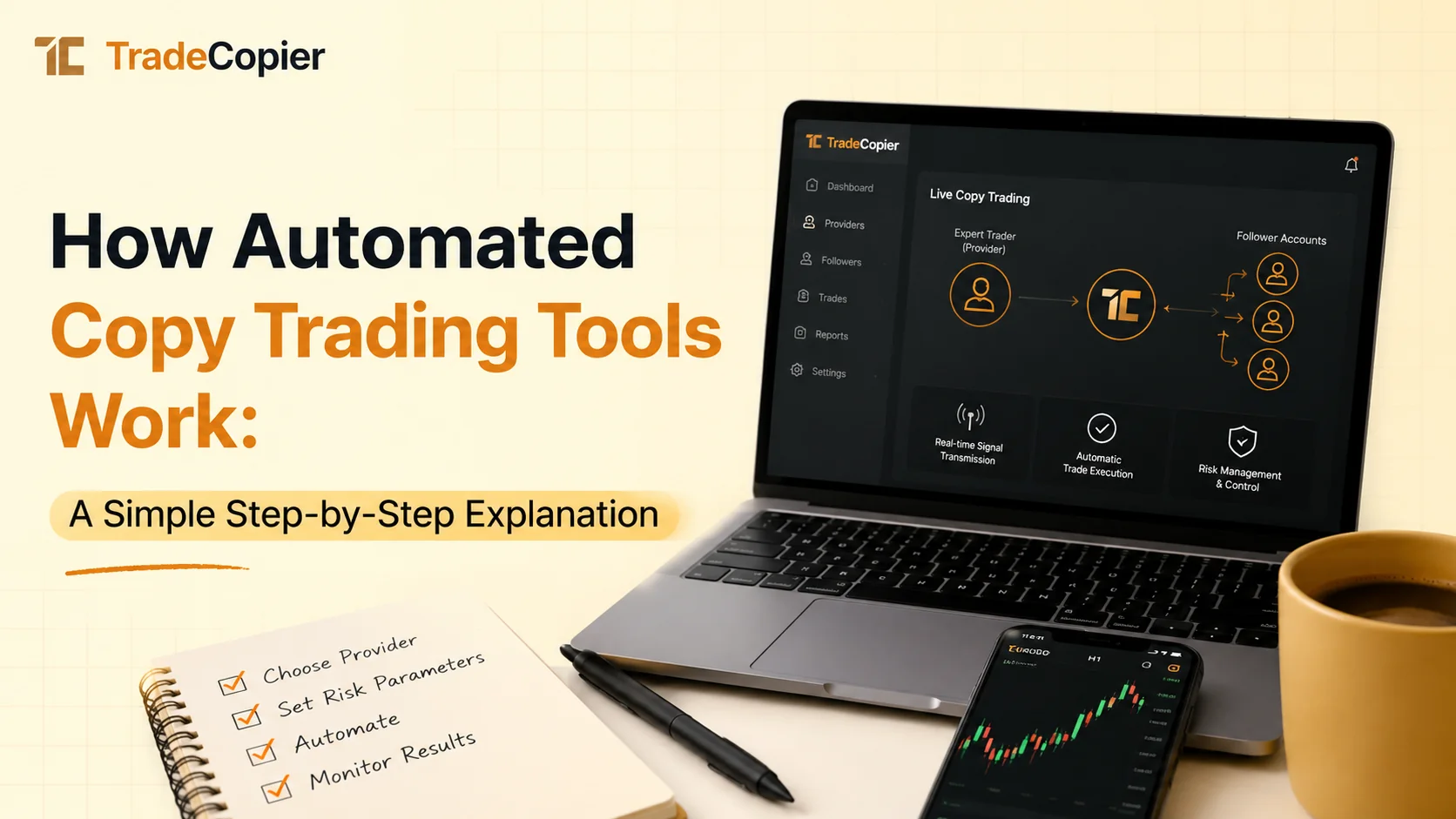
Launching a forex signal service demands robust technical setup to ensure signals reach clients promptly and accurately, minimizing slippage in fast-moving markets. For those wondering how to start forex signal service from a technical standpoint, integrating a signal provider trade copier setup is essential. This involves software that mirrors trades from the provider's account to clients' platforms, such as MT4 or MT5, automating execution and reducing manual errors.
Choosing the right tools begins with selecting a broker that supports API integrations for seamless signal broadcasting. White label copy trading platforms, like those offered by leading fintech firms, provide customizable solutions where providers can brand their service without building from scratch. For example, a provider might configure a white label platform to support up to 500 clients, with features like risk management parameters that adjust position sizes based on account equity, safeguarding subscribers during volatile periods like non-farm payroll releases.
Implementation steps include testing the infrastructure in a demo environment. Providers should simulate signal delivery during peak hours, verifying latency below 5 seconds to maintain edge in trades. Security measures, such as encrypted channels and two-factor authentication, protect sensitive data, complying with GDPR standards for international clients. A case study of a mid-sized provider revealed that adopting a dedicated VPS server reduced downtime by 90%, boosting client satisfaction and retention rates to over 80%.
Beyond copiers, analytics tools like TradingView or custom dashboards track signal performance in real-time, allowing providers to refine strategies based on metrics such as drawdown percentages under 10%. Intermediate traders should budget $500–$2,000 initially for software licenses and hosting, ensuring scalability as the subscriber base grows. This technical backbone not only streamlines operations but also enhances the professional image, encouraging more clients to engage with the service.
Marketing and Monetizing Your Forex Signals
Once the service is operational, the focus shifts to attracting and retaining clients through strategic marketing, a pivotal step in how to start forex signal service profitably. Becoming a forex signal provider involves building an online presence via a professional website showcasing verified results, testimonials, and educational content to appeal to intermediate traders. Social proof, such as case studies of clients achieving 20–30% annual returns, can convert visitors into subscribers effectively.
To sell forex signals to clients, providers often use tiered pricing models: basic access at $50/month for alerts, premium at $150 for copy trading integration. Platforms like Discord or dedicated apps facilitate community building, where providers host webinars on topics like Brexit's impact on GBP pairs, fostering engagement. Paid advertising on Google Ads or forex forums targets keywords like "reliable forex signals," driving traffic while SEO-optimized blogs ensure long-term organic reach.
Affiliate programs amplify growth; providers offer 20–30% commissions to influencers who promote signals, expanding reach without upfront costs. Tracking ROI through tools like Google Analytics reveals high-conversion channels, such as YouTube tutorials demonstrating signal accuracy in live markets. One provider scaled from 50 to 500 clients in six months by partnering with trading educators, highlighting the power of collaborations in a saturated market.
Client retention hinges on consistent communication and performance updates. Providers should implement feedback loops, adjusting signals based on user input to maintain win rates. By diversifying revenue—adding one-on-one coaching or custom alerts—services can achieve $10,000+ monthly income, rewarding the effort invested in marketing. This phase transforms a hobby into a viable business, empowering providers to thrive amid forex's dynamic landscape.
Conclusion
Starting a forex signal service equips intermediate traders with a pathway to monetize expertise through reliable signals and copy trading tools. Key takeaways include mastering the service model for credibility, implementing robust technical setups like trade copiers and white label platforms, and employing targeted marketing to sell forex signals to clients effectively. These elements ensure sustainable growth in a high-volume market.
Aspiring providers should prioritize transparency and continuous improvement to build lasting client relationships. Start your copy trading journey at tradecopier.org to access essential resources and platforms tailored for success.